
Native Housing Sovereignty Initiative
Building sovereign housing, wellness, and homeownership systems,
by and for Native communities
The Native Sovereignty Housing Initiative advances economic, cultural, and health sovereignty by supporting Native communities to design, build, and govern their own housing and housing economies. Rooted in Housing First, bio-based construction, and Indigenous governance, this initiative creates stable homes that support healing, resilience, and long-term community ownership.
Why This Matters
Housing instability deepens trauma, worsens health outcomes, and blocks pathways to economic security.
For many Native families—on Tribal lands and in cities—safe, affordable, and culturally grounded housing remains out of reach. Stable housing is not just shelter; it is the foundation for healing, belonging, and self-determination.
What Makes This Initiative Different
HOUSING FIRST
Homes without preconditions, because stability comes first.
BIO-BASED CONSTRUCTION
Healthy, climate-resilient homes built with hempcrete and regenerative materials.
INTEGRATED BEHAVIORAL WELLNESS
Healing and support embedded where people live.
INDIGENOUS GOVERNANCE
Guided by Gentle Action and Indigenous Peacemaking.
How This Works
COMMUNITY-LED DESIGN
Listening circles and local leadership define the vision.
BUILD + TRAIN
Native workforce training and hemp-based construction.
STABILIZE + HEAL
Housing First with integrated wellness supports.
OWN + SUSTAIN
Native-led housing organizations and long-term stewardship.
Where We're Working
MINNESOTA
We are supporting the development of a hempcrete homebuilding economy in partnership with local CDFIs, providing business development, workforce training and ownership pathways to Tribal Nation members.
WASHINGTON
We are supporting a program for affordable hempcrete community development with the City of Seattle, integrating behavioral wellness and pathways to Native business creation and permanent housing.
Partner Organizations
Sovereign Insurance Association for Native Nations
A Native nonprofit in support of Tribal Nation insurance sovereignty
NW Living & Learning Community Collaborative
A BIPOC nonprofit providing hempcrete training, education and ownership models.
Green Buffalo Institute
A Native nonprofit providing hempcrete construction training and education.
Program Stewards
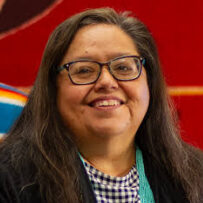
Carma Corcoran
Chippewa-Cree
Cultural Sovereignty
Dr. Corcoran is an Adjunct Professor in the Indigenous Nations Studies Program at Portland State University, and directs American Indian Law at Lewis and Clark Law School. She addresses Native societal issues through workshops on Gentle Action Theory and Traditional Ways of Knowing and Being .

Kenny Tolbert
Choctaw
Economic Sovereignty
Kenny founded the Sovereign Insurance Association for Native Nations (SIANN) to support Native American Nations who own or wish to form Tribal Sovereign Insurance Companies. His mission is to foster the creation of additional Sovereign Insurance companies across Indian Country.

Neil Takemoto
Hawaii Kama'aina
Community Sovereignty
Born and raised in Hawai'i, Neil has worked in regenerative community development for 30 years, supporting thriving places, circular economies and systems change. He works with nonprofits, businesses and government in a collective impact initiative to provide greater access to community sovereignty.
Why Access Scales
This initiative builds shared access to housing systems, not a single housing model. By supporting Native communities to create their own housing organizations, workforce, and governance, each Nation can apply the tools in ways that reflect its land, culture, and priorities. Like Native gaming, the value scales through sovereign control and local revenue creation, not through uniform replication, allowing solutions to spread Nation-to-Nation while remaining locally owned and entirely unique to each Native community.
This is how sovereignty grows, home by home, Nation by Nation